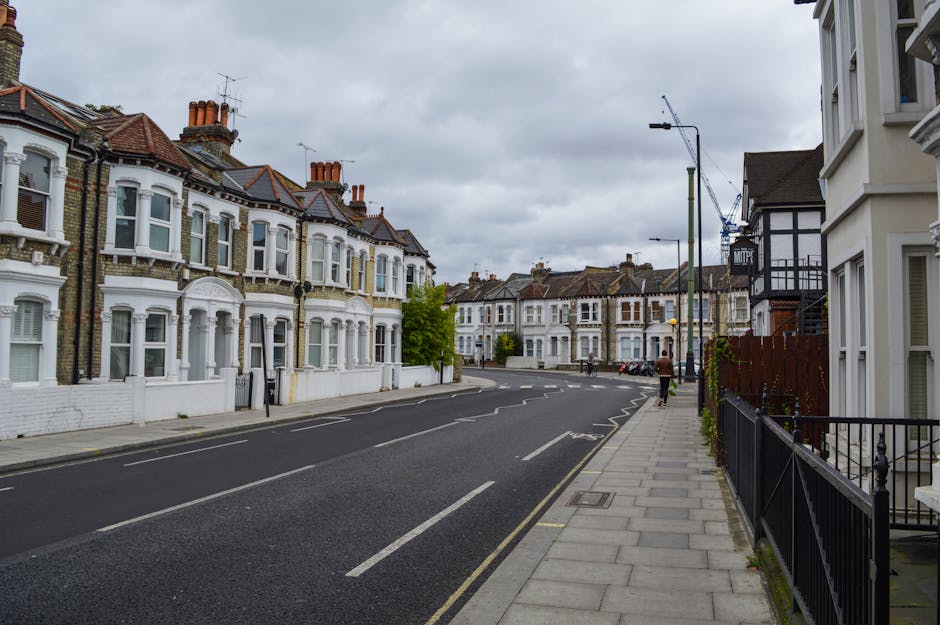
Mornington Crescent man and van removals mapped for NW1

If you are planning a move around Mornington Crescent, the difference between a smooth day and a stressful one often comes down to planning the route properly. Mornington Crescent man and van removals mapped for NW1 is really about that practical reality: understanding the local streets, timing the journey, choosing the right van size, and matching the service to the job rather than guessing and hoping for the best. In a dense part of London, that matters more than people think.
Whether you are moving a studio flat, a few bulky items, or a small office setup, the best approach is usually the simplest one: map the move, keep the load sensible, and avoid last-minute chaos. Below, you will find a clear guide to how man and van removals work in NW1, who they suit, what to watch out for, and how to make the whole thing feel less like a wrestling match with cardboard. Because let's face it, moving day can get a bit odd very quickly.
Why Mornington Crescent man and van removals mapped for NW1 Matters
Mornington Crescent sits inside a part of London where access can be the deciding factor. Roads can be busy, parking can be tight, and the difference between a quick load and a delayed one may be as simple as whether the van can stop safely near the entrance. A mapped approach means you are not treating every move as generic. You are matching the route, the timing, and the vehicle to the exact NW1 setting.
That sounds obvious, but in practice it is where many moves go wrong. A narrow street, a shared entrance, or a building with awkward stairs can add 20 minutes, then 40, and suddenly everyone is tired and irritated. A properly mapped man and van move accounts for those details before the first box is lifted.
It also matters because NW1 includes a mix of homes, flats, studios, and business premises. One move may be a single sofa and a bed frame; another may involve archive boxes, office chairs, or student belongings. The term man and van removals covers a lot, but the best service is rarely one-size-fits-all. It is more like a neat local toolkit.
For many customers, this is where related services come in as well. A move can be combined with packing services if you want help protecting fragile items, or paired with small removals when you only need a compact move rather than a full house operation. If the timing between homes is awkward, short-term storage can also take some pressure off.
Expert summary: the best NW1 man and van move is not the one with the biggest vehicle. It is the one that fits the street, the load, and the timing without overcomplicating the day.
How Mornington Crescent man and van removals mapped for NW1 Works
At its core, a man and van removal is a flexible transport service with a driver and helper, or a small team, using a van sized to the job. The "mapped for NW1" part means the move is planned with local road conditions, access points, and route timing in mind. In other words, the service is built around the area instead of pretending the area does not exist.
A sensible local move usually follows a few steps:
- Initial assessment: the items, volume, access, stairs, and distance to the van are considered.
- Route planning: the journey is mapped around likely congestion, parking conditions, and loading practicality.
- Vehicle matching: the van size is chosen to suit the volume and item shapes, not just the headline price.
- Loading sequence: heavy or awkward pieces are loaded first, with fragile items protected properly.
- Delivery and placement: items are unloaded in the correct rooms or drop-off points, with clear handling of any access issues.
That process sounds tidy on paper. Real life is slightly messier. A lift may be out of service, a hallway may be narrower than expected, or the weather may turn from dull to properly miserable by 8:30 in the morning. A mapped approach leaves room for that unpredictability. And in London, you need that margin.
Some customers also prefer to use local removals when the entire job stays within a short radius, especially if they want the move finished in one visit without fuss. Others need a broader removals service where the move involves more inventory or more detailed coordination. There is no single right answer; just the right fit.
Key Benefits and Practical Advantages
A well-planned man and van move offers some very practical advantages, especially in Mornington Crescent and the wider NW1 area. The first is flexibility. Unlike a larger removal operation, a smaller vehicle can often adapt more easily to a compact street, a quick turnaround, or a short-notice collection.
The second is value. If you are not moving an entire household, paying for a full-scale service can be overkill. A tailored man and van arrangement can reduce wasted space and wasted time. That said, cheap is not the goal. Efficient is the goal. There is a difference, and you feel it on moving day.
The third advantage is control. You can usually stagger items, decide what travels first, and keep fragile or high-value belongings under closer oversight. For some people, that is worth more than any slogan. There is something calming about seeing your own things loaded in a clear order, especially when the kettle is still packed and nobody can find the mugs.
Other benefits often include:
- Better route matching: less time circling for access or unsuitable parking.
- Faster local turnaround: useful for same-day or single-item moves.
- Lower handling complexity: easier for small flats, student moves, and partial relocations.
- Cleaner coordination: fewer people, fewer handovers, fewer moving parts to manage.
If you are moving delicate or valuable items, it can also help to look at secure storage before or after the move, particularly if dates do not align neatly. And if you are downsizing or relocating with furniture you are not ready to part with, furniture storage may be the calmest option. Sometimes the smartest move is not forcing everything into one day.
Who This Is For and When It Makes Sense
This type of removal suits people who need a practical, not excessive, solution. If you are moving from a one-bed flat, a shared house, a studio, or a small office in or around NW1, man and van removals are often the natural first choice. They are especially useful when the job is too much for a car but does not require a large removals crew.
It also makes sense for:
- students moving into or out of local accommodation
- flat movers with stairs, narrow corridors, or limited loading space
- people collecting marketplace furniture or appliances
- small business owners moving documents, desks, or stock
- families shifting selected items rather than the entire house
For example, someone leaving a Mornington Crescent flat may only need two people, a sensible van, and a route that avoids wasted loops around loading restrictions. Another person may be moving a few boxes, a mattress, and a dining table. Very different jobs. Same basic service model, but the planning should not be the same.
If you are dealing with office materials or records, it may be worth exploring office removals or document storage if some items should stay protected off-site. For companies that need more room between premises, business storage is a sensible companion service.
Truth be told, the service makes sense whenever the move is small enough to benefit from flexibility, but important enough that you do not want to wing it.
Step-by-Step Guidance
If you want the move to feel straightforward, the best thing you can do is break it into clear steps. Not glamorous, maybe, but it works.
1. List everything you are moving
Write down the furniture, boxes, and awkward items. Include things people forget, like mirrors, lamps, and anything that needs disassembly. A quick list now saves a very annoying moment later when a pile of boxes turns out to be bigger than expected.
2. Check access at both ends
Look at stairs, lifts, entrance width, and where the van can stop. In NW1, access is often the real story. Is there a proper loading point? Can the driver park close enough to keep carrying times reasonable? If you are not sure, take a few photos.
3. Decide whether packing help is needed
Some people can box up everything on their own. Others find that life, work, and the move itself make that impossible. If you want extra support, packing services can reduce damage risk and make loading faster.
4. Match the service to the volume
Do not book a service sized for a three-bedroom home if you are moving a few pieces and six boxes. Equally, do not underbook and hope for magic. If in doubt, choose a slightly more generous option or discuss whether small removals is the better fit.
5. Plan the time window carefully
Morning moves often work well in London because roads can be calmer earlier in the day. But if you are in a building with strict access times, that matters more than the clock. One customer's "quick noon move" can become another's "why are we still waiting outside?" situation. Not ideal.
6. Protect, label, and stage items
Keep fragile items wrapped and label boxes by room. Stage the load near the exit if possible, but avoid blocking walkways. You want the path to feel obvious, not like a cluttered escape room.
7. Confirm where items should go
Tell the mover if anything goes straight to storage, upstairs, into a garage, or to a different address. That keeps the unloading process tidy and prevents those awkward "oh, that one was meant for the other place" moments.
Expert Tips for Better Results
A few small decisions can make a surprisingly big difference. First, keep the heaviest items closest to the van door or lift point before the team arrives. It sounds basic because it is basic. But basic is often what saves time.
Second, if your building has restrictions, mention them early. Things like shared entrances, controlled parking, or timed access windows are not minor details. They are the move.
Third, think in terms of sequence rather than just items. What should come out first? What needs to be assembled on arrival? What can stay boxed until the end? A clear sequence reduces the back-and-forth that makes people tired by mid-morning.
Other practical tips:
- Keep keys, documents, and charging cables in a separate bag you carry yourself.
- Use soft blankets or wraps for polished furniture and screens.
- Leave a little spare time in the schedule. London loves a delay now and then.
- If the move includes items you are not ready to unpack, consider household storage or long-term storage.
There is also a trust side to this. Ask about handling, insurance approach, and how items are secured in transit. A good provider should explain things plainly, without trying to sound mysterious about it. If a mover gives you a clean, calm explanation, that is usually a good sign.
Common Mistakes to Avoid
One of the biggest mistakes is overfilling the van plan. People often underestimate how much space a sofa, mattress, and four strong boxes actually take. Then the final load becomes a puzzle. A very expensive, very physical puzzle.
Another common issue is poor access planning. If the vehicle cannot park nearby, carrying distance increases and the move slows down. Even a seemingly short walk from van to door can become tiring after the third or fourth trip.
Other mistakes worth avoiding:
- Not measuring large items: wardrobes, desks, and beds can be awkward in tight stairwells.
- Leaving packing until the last minute: rushed packing leads to damage and missing parts.
- Ignoring storage needs: if dates do not line up, build in a storage solution early.
- Choosing by price alone: the cheapest quote can become the most expensive move if it is underplanned.
- Forgetting building rules: some properties have access windows, lift booking rules, or loading restrictions.
And honestly, a very human mistake is assuming you will remember every little thing on the day. You won't. Nobody does. Write it down. That single habit saves a lot of headache.
Tools, Resources and Recommendations
You do not need fancy equipment for a good move, but a few basics help a lot. A tape measure is one of the most useful tools in the whole process. Measure larger furniture, doors, and hallways if there is any doubt. If you are deciding whether a bed frame will make the turn at the top of the stairs, a quick measurement beats guesswork every time.
Strong boxes, packing paper, bubble wrap, mattress covers, and label stickers are all helpful. A dolly or sack truck can also make life easier, though these are typically part of a mover's kit rather than something you buy for one job. If the move includes fragile or awkward items, ask in advance what handling equipment will be used.
Useful service categories to consider alongside a NW1 move include:
- flat removals for apartment moves with stair or lift access
- house removals if the move is larger than a standard van job
- student storage for term-time gaps and summer moves
- office storage when desks or files need a temporary home
- removals and storage if the move needs a combined solution
If you want to understand pricing before committing, a clear estimate is always worth requesting. Transparent pricing and quotes help you compare like for like, which is surprisingly rare and very useful. Also, if security during payment is a concern, it is sensible to review the provider's payment and security information before you book.
Law, Compliance, Standards, or Best Practice
For a small move, the compliance side is often practical rather than dramatic. The main things to think about are safe handling, proper vehicle loading, insurance awareness, and respect for building or parking rules. If a provider is working in London, they should be used to common access constraints and should handle items in a way that reduces avoidable damage.
Good practice usually includes:
- careful lifting and carrying techniques
- securing items so they do not shift during transport
- clear communication about fragile belongings
- appropriate insurance understanding for the goods being moved
- respectful conduct in communal areas and around neighbouring properties
If you want a fuller sense of the provider's standards, it is sensible to review pages like health and safety policy and insurance and safety. Those pages are useful because they show how the business thinks about risk and care, not just transport. For some customers, that is the deciding factor, and fair enough.
It is also wise to understand the service terms before booking, including cancellation, access expectations, and responsibilities on both sides. A clear terms and conditions page should answer many of the basic questions. If it does not, that is a small warning sign.
Options, Methods, or Comparison Table
Not every move needs the same method. Here is a simple comparison to help you decide what fits best.
| Option | Best for | Strengths | Possible drawbacks |
|---|---|---|---|
| Man and van | Small to medium local moves, single items, flats | Flexible, quick, practical for NW1 access | Not ideal for large household loads |
| Small removals | Compact moves with a bit more volume | Balanced for limited loads and better planning | Can still be too small for a full property |
| Full removals | Larger homes or more complex moves | More capacity and more structured handling | May cost more than needed for a small move |
| Removals and storage | Moves with date gaps or downsizing | Useful when timing is messy | Requires a little more coordination |
For many Mornington Crescent jobs, man and van is the sweet spot. But if the move involves more furniture than expected, it can make sense to step up to removals and storage rather than trying to force a small van into a bigger job. That is often the smarter move, no pun intended. Well, maybe a little pun.
Case Study or Real-World Example
A typical NW1 scenario might look like this: a tenant leaving a compact flat near Mornington Crescent has a bed frame, a small wardrobe, a desk, eight boxes, and a bike. The new place is only a short distance away, but there is a loading restriction at one end and a narrow stairwell at the other.
Instead of booking a large lorry-style operation, the move is mapped as a small local job. The items are grouped by size, the breakable things are wrapped first, and the team arrives early enough to avoid the busiest part of the day. The van parks as close as possible, the load is completed in an efficient sequence, and the delivery side is handled in one trip.
Nothing dramatic happens. That is the point. No panic, no repeated trips, no guessing whether the sofa will fit. The move feels almost boring, which, on moving day, is a compliment.
In a second scenario, a small business is relocating a few desks, boxed documents, and storage units from one NW1 office space to another. The business does not need a full commercial removal, but it does need care with files and a plan for items that will not fit straight away. In that case, a mixed approach using office removals and business storage makes the move much less stressful.
Practical Checklist
Use this checklist before the van arrives. It will save time, honestly.
- Measure large furniture and stairwell pinch points
- Confirm loading access and parking arrangements
- Label boxes by room and priority
- Wrap fragile items and separate valuables
- Disassemble furniture where possible
- Keep screws, fixings, and instructions in one clearly marked bag
- Set aside essentials for the first night
- Tell the mover about anything unusually heavy or awkward
- Check whether storage is needed between addresses
- Review booking details, timings, and any building rules
If your move is tied to study, term dates, or temporary accommodation, student storage can be a useful extra layer. For more personal household moves, house removals may be the better fit when the load grows beyond a simple van job.
Get a free quote today and see how much you can save.
Conclusion
Mornington Crescent man and van removals mapped for NW1 are at their best when the service is planned around the realities of the area. Tight access, busy roads, short loading windows, and mixed property types all reward careful thinking. The right approach is rarely the fanciest one. It is the one that gets your belongings moved safely, efficiently, and without unnecessary drama.
If you are moving a small flat, a few bulky items, or a compact business load, focus on route planning, accurate item lists, and sensible service matching. If there is any gap in timing, storage can bridge it. If fragile items need extra handling, packing support can help. A little planning now really does save a lot of effort later.
And if the day still feels a bit overwhelming, that is normal. Moving is one of those life jobs that always looks easier from the outside than it feels in the middle of it. Keep it simple, keep it mapped, and keep going.
Frequently Asked Questions
What does man and van removals mapped for NW1 actually mean?
It means the move is planned with the Mornington Crescent and NW1 area in mind, including access, parking, timing, and route choices. The service is tailored to local conditions rather than treated as a generic transport job.
Is a man and van service enough for a flat move in Mornington Crescent?
For many studio and one-bed moves, yes. It usually works well if the volume is moderate and the access is manageable. If you have lots of furniture or a more complex layout, a larger removal option may be better.
How far in advance should I book a NW1 man and van move?
As early as possible if your date is fixed, especially at weekends or near month-end. For flexible moves, a shorter lead time may be fine, but local demand can still affect availability.
Can I use a man and van for just one or two items?
Yes, and that is one of the main strengths of the service. It is often ideal for a sofa, bed, appliance, or a small number of bulky items that would be awkward to move alone.
What should I do if I cannot move into my new place straight away?
If your timings do not line up, consider storage. Short-term storage or removals and storage can keep your items safe until the new address is ready.
Do I need packing services for a small move?
Not always, but they can help if you are short on time or moving fragile items. Packing support is especially useful when you want to reduce damage risk and speed up loading.
What if my building has poor access or no lift?
Tell the mover in advance. Stairs, narrow corridors, and long carry distances all affect the plan. With the right information, the job can still run smoothly, but surprises on the day slow everything down.
Is man and van cheaper than full removals?
Often, yes, for smaller jobs. But the real question is whether it fits your move. A service that is too small can create delays, while a service that is too large may cost more than necessary.
Can business customers use a man and van in NW1?
Absolutely. Small office moves, stock transfers, and document transport are common uses. If items need to stay off-site for a while, business storage or document storage may help.
What items are usually hardest to move locally?
Large wardrobes, sofas, mattresses, mirrors, and fragile electronics are often the trickiest. Anything awkward to carry through tight turns or narrow stairwells needs extra care and sometimes disassembly.
How do I make sure my quote is accurate?
Provide a full item list, include access details, and mention anything unusual such as heavy furniture or storage needs. Clear information usually leads to a more reliable quote and fewer surprises later.
What should I look for in a trustworthy removals provider?
Look for clear communication, sensible planning, transparent pricing, and straightforward information about safety and terms. Pages such as about us, insurance and safety, and terms and conditions can be a useful sign that the business is properly organised.
For anyone planning a move in and around Mornington Crescent, the best next step is simple: measure honestly, plan locally, and choose the level of help that genuinely fits the job. Small details add up. They always do.