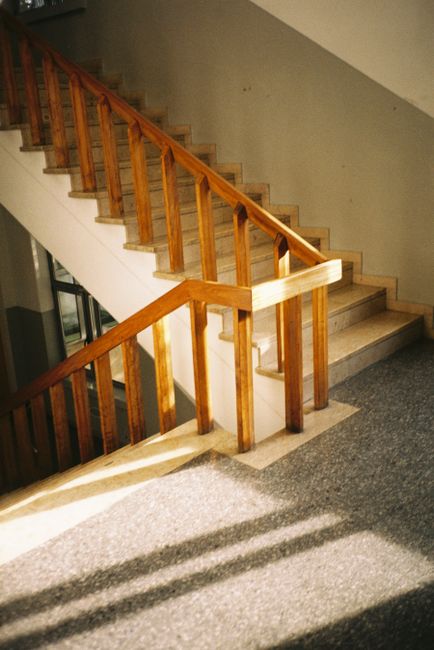
Chalk Farm Road house removals tips for tight staircases
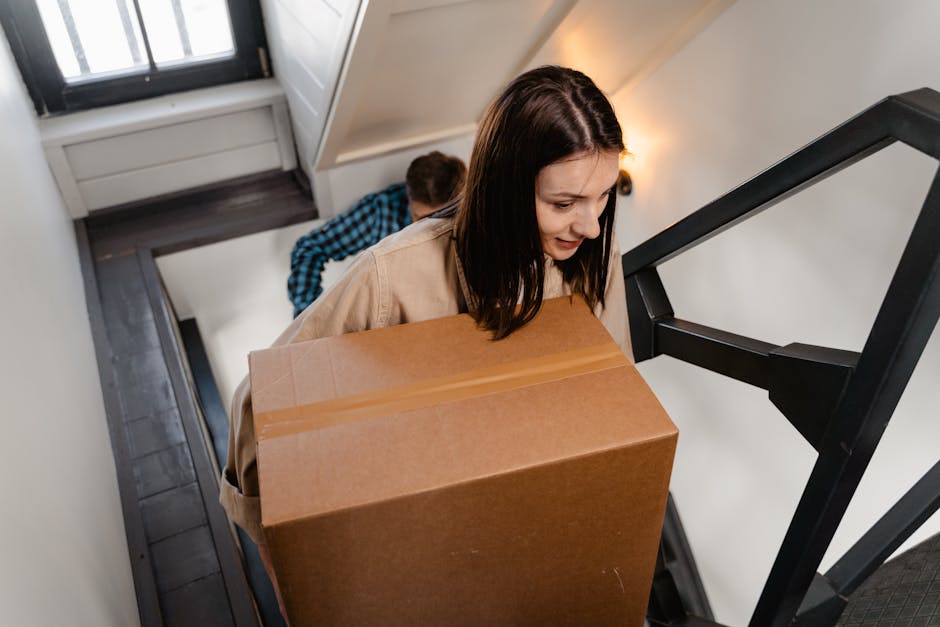
If you are moving on or near Chalk Farm Road, the staircase can end up being the real deciding factor on moving day. A sofa that looked perfectly manageable in the living room can suddenly feel twice as big when it reaches a narrow turn, a steep landing, or a front door that barely opens properly. That is exactly why Chalk Farm Road house removals tips for tight staircases matter: they help you avoid damage, reduce stress, and keep the move moving at a sensible pace.
This guide brings together practical, local-minded advice for awkward stairwells, compact London homes, and those slightly nerve-racking moments when everyone stands still and says, "Right... how are we getting this up there?" We will cover planning, packing, carrying techniques, common mistakes, useful equipment, and when it makes sense to choose a different approach altogether. If you want a calmer, safer move, you are in the right place.
Why Chalk Farm Road house removals tips for tight staircases Matters
Tight staircases change the whole shape of a house move. It is not just about lifting safely. It is about angles, turning points, wall protection, timing, and not getting trapped halfway up with a wardrobe that suddenly feels suspiciously permanent. In Camden and the surrounding London streets, older properties, converted flats, and compact terraced homes often have staircases that are steeper, narrower, or more awkward than they appear from the hallway.
On Chalk Farm Road, the challenge is usually a combination of limited internal space and limited external space. That means less room to stage items, fewer places to pivot large furniture, and less margin for error if a mattress or chest of drawers clips the wall. One careless turn can scratch paint, chip plaster, or damage a banister that has already survived decades of use.
There is also the practical side. A stairwell bottleneck slows everything down. If one item gets stuck, the rest of the move stalls behind it. You will notice how quickly a small delay becomes a bigger one when the van is waiting outside, the team is sweating a bit, and the kettle is still packed somewhere in a box labelled "misc."
That is why planning for the staircase early matters. It is not a luxury. It is part of the move itself. For many households, using a service that understands house removals in tight London properties can make the difference between a smooth day and a painful one. If you are moving a smaller load, small removals can also be a sensible fit, especially when access is tricky but the volume is manageable.
How Chalk Farm Road house removals tips for tight staircases Works
The basic principle is simple: make the item smaller, lighter, safer, and easier to control before it ever reaches the stairs. In practice, that means a combination of measuring, dismantling, wrapping, lifting correctly, and choosing the right order of operations. The move is won or lost before the first foot hits the step.
Start by measuring three things: the furniture, the staircase width, and the turning space on landings. A piece that is technically narrower than the stairs can still fail if the diagonal length is too long for the turn. People often forget this. They measure width, relax a bit, and then discover the landing turn is the real problem. Classic.
Next, identify the flow of the route. Where does the item need to tilt? Can it be carried upright, on edge, or only flat? Is there a radiator, banister, light fitting, or overhanging shelf that will need protecting? A good removals plan treats the staircase like a route map rather than just a set of steps.
Then there is team coordination. Tight-staircase moves work best when everyone knows their role: one person leads, one supports, and one calls out obstacles. Clear communication matters more than bravado. "Easy, easy, stop" is a lot more useful than trying to muscle through and hoping for the best.
If items cannot be moved safely, there are still options. Temporary storage, staged moves, or splitting the load into smaller sections can help. For example, if you do not need everything in the new home immediately, a short stop in short-term storage can reduce pressure on the stairwell move and let you bring items in more gradually.
Key Benefits and Practical Advantages
Doing the job properly pays off in ways that are easy to underestimate. It is not just about making the move "easier"; it is about preventing the kind of problems that create extra cost, wasted time, and last-minute panic.
- Less risk of damage: Well-planned handling protects bannisters, walls, doors, furniture corners, and flooring.
- Faster loading and unloading: A clear stair strategy reduces stop-start movement.
- Safer lifting: Smaller loads and better grip reduce strain and awkward twists.
- Better decision-making: You can quickly see what should go upstairs, what should be dismantled, and what may need storage.
- Lower stress on moving day: There is something deeply reassuring about knowing the difficult bit has already been thought through.
There is also a money-saving angle, although it is not always obvious at first glance. If a staircase causes repeated failed attempts, you may end up needing more labour time, more protective materials, or even damage repairs. Preparing properly often saves more than it costs. Truth be told, that is usually the pattern with removals anyway.
Another benefit is flexibility. When stair access is tight, you can plan around it with a removals and storage approach, or use household storage for bulky items that are not needed straight away. That can take the pressure off the route and make the move feel much more manageable.
Who This Is For and When It Makes Sense
This advice is useful for a lot of people, but especially for anyone moving in or around Camden's older housing stock, split-level flats, maisonettes, and narrow terrace houses. If your staircase has a turn halfway up, a low ceiling at the top, or walls that seem to lean in just a little, you already know the type of move we are talking about.
It makes the most sense if you are:
- moving a family home with full-sized furniture
- moving into or out of a top-floor flat
- handling awkward items like wardrobes, beds, sofas, or white goods
- trying to avoid damage to a newly decorated hallway
- working to a tight schedule with limited access time
- balancing a move with storage, renovation, or a gap between tenancies
It also matters if you are moving on a weekday and need things done efficiently before the street gets busy. On roads like Chalk Farm Road, there may be on-street parking pressure, foot traffic, or a general "everyone is in a rush" feeling that adds another layer of complexity.
For smaller moves or single-room contents, a man and van service can be a practical fit. It is not always about the biggest vehicle. Sometimes it is about the right-sized approach for the property layout and the load.
Step-by-Step Guidance
Here is a practical sequence you can follow. It is simple, but it covers the points that really matter.
- Survey the staircase in person. Check width, height, turns, railings, and any awkward pinch points. Measure the largest furniture first.
- List every item by access difficulty. Put the most awkward pieces at the top of the list. The sofa, mattress, wardrobe, and drawers usually deserve special attention.
- Dismantle what you can. Remove legs, shelves, headboards, handles, doors, and drawers if that makes the item easier to carry.
- Protect the route. Use covers, blankets, and corner protection on walls and bannisters. A little preparation saves a lot of nerve.
- Pack securely but not excessively heavy. Boxes that are overfilled become harder to grip and more dangerous on stairs.
- Plan the carrying order. Move the trickiest items when everyone is fresh, not at the end of the day when arms are tired and concentration slips.
- Use clear commands. Agree simple calls like "lift," "pause," "turn," and "down." No improvising halfway through a landing turn.
- Test the angle before committing. Often the item needs a slight diagonal tilt or rotation. Try the movement slowly, then adjust.
- Reassess quickly if it is not working. If the item is snagging, stop and rethink. Forcing it is usually the expensive option.
One useful habit is to keep the hallway clear before the team arrives. Shoes, rugs, umbrellas, kids' scooters, all of it. You would be surprised how often the real obstruction is not the staircase but the clutter around it.
If you already know the stair route is too restrictive for certain furniture, it may be sensible to separate the move into phases and use furniture storage for pieces that can wait until access is easier.
Expert Tips for Better Results
The best staircase moves are rarely about brute force. They are about small decisions made early. A few details can change the whole feel of the day.
Measure twice, but measure the awkward bits first
Most people remember the width of the staircase. Fewer remember the landing depth, door swing, or ceiling slope. Those are often the real culprits. Measure the full route, not just the steps.
Remove weight before you remove the item
Take drawers out of chests, empty wardrobes where possible, and separate detachable parts. A lighter item is not just easier to carry; it is easier to control if the stairwell gets tight halfway through.
Think in "turns," not just "stairs"
One straight staircase is manageable. A staircase with a landing turn, a sharp angle, or a narrow top bend needs a very different approach. Ask yourself where the item needs to rotate, and whether that rotation is actually possible.
Use the right pairings
In removals work, some items really do need two or three people, while others are safer with a smaller team. Too many hands can get in the way. That sounds odd until you are standing on a landing, trying not to crush the lamp shade.
Keep one eye on the finish, not just the move
If the new property is freshly painted or recently refurbished, protection becomes even more important. A tiny scrape on a white wall stands out in a way that is frankly annoying for weeks. Better to avoid the drama.
If you are not sure whether the job should be done in one day or split over two, speak with a removals provider early. A reliable local removals service can often help you judge the access risk before anything is lifted.
Common Mistakes to Avoid
Let's be honest, most staircase problems are preventable. The same mistakes crop up again and again.
- Skipping measurements: Guessing is risky. "It'll probably fit" is not a plan.
- Leaving dismantling too late: Trying to strip furniture down in a cramped hallway is stressful and slow.
- Packing boxes too heavy: Heavy boxes are harder to tilt and more likely to slip.
- Ignoring wall protection: One tiny bump can create visible damage.
- Trying to force a turn: If it needs a rethink, stop and rethink.
- Not briefing the team: Confusion on stairs is a recipe for awkward pauses.
- Saving the hardest item for last: By then, everyone is tired and the clock is ticking.
Another common issue is underestimating storage needs. People sometimes realise only on moving day that the new home simply cannot absorb everything at once. That is when a short pause using self storage or secure storage can be the sensible, low-drama fix.
And yes, it can feel like admitting defeat for about five minutes. Then you remember that a calm move beats a heroic disaster every time.
Tools, Resources and Recommendations
You do not need a van full of specialist kit, but the right tools make narrow-stair moves much safer and cleaner. In practice, the essentials are fairly straightforward.
| Tool or resource | What it helps with | Why it matters on tight stairs |
|---|---|---|
| Furniture blankets | Protecting corners and surfaces | Reduces scratches when items brush walls or railings |
| Ratchet straps or webbing straps | Keeping load stable | Helps maintain control on turns and landings |
| Work gloves | Grip and hand protection | Useful when moving bulky or awkward items with rough edges |
| Floor protection | Shielding carpets and hard floors | Stops scuffs during repeated passes up and down |
| Dismantling tools | Removing legs, fittings, and panels | Can turn an impossible item into a manageable one |
For larger household moves, having a proper removals plan helps more than any single tool. If you need a wider service wrapper around packing, transport, and loading, take a look at removals and packing services. The packing side especially matters when boxes need to remain balanced and easy to carry on stairs.
For people moving items in stages, mobile self storage can be useful where available in a broader move plan, because it gives you a way to separate storage from the tightest part of the access route. It is one of those options that sounds almost too neat until you actually need it.
Law, Compliance, Standards, or Best Practice
This kind of move does not usually turn into a legal puzzle, but there are still sensible UK expectations to keep in mind. Safety should come first, both for the movers and for anyone living in the property. The general idea is simple: use equipment properly, lift carefully, and avoid creating risks for people or property.
For anyone arranging a removals job, it is reasonable to expect clear communication about insurance, handling, and care in transit. Reputable providers normally set out how they approach safety, claims, and responsibility. If you are comparing options, it is worth reading service information on insurance and safety and checking the provider's published health and safety policy.
Another practical point is property access. In London, you may need to think about parking, lift usage, building rules, or shared access times. Where a building management team has requirements, it is best to follow them rather than assume the move can happen however you like. That sounds obvious, but moving day can make ordinary people strangely optimistic.
Good practice also includes protecting shared spaces, avoiding obstruction, and being considerate to neighbours. On a busy road or in a converted building, a tidy, efficient move is much easier for everyone involved.
Options, Methods, or Comparison Table
There is no single best approach for every tight staircase. The right method depends on the item, the property, and how much time you have. Here is a simple comparison.
| Method | Best for | Pros | Watch out for |
|---|---|---|---|
| Move item in one piece | Smaller furniture with clean access | Quick, simple, less dismantling | May fail on turns or narrow landings |
| Dismantle before moving | Beds, wardrobes, shelving, larger desks | Improves fit and reduces weight | Needs tools and careful reassembly later |
| Stage with storage | Moves with access issues or timing gaps | Reduces pressure on the stair route | Adds an extra step in the process |
| Use a smaller moving team | Single items, awkward flats, limited space | More agile on stairs | Not suitable for large loads |
For many people, the safest answer is a mix of methods rather than just one. For example, dismantle the bed, move the drawers separately, and keep the bulky wardrobe in storage until you are ready. That is not overthinking it. That is just sensible.
Case Study or Real-World Example
Here is a realistic scenario. A couple moving from a compact upper-floor flat near Chalk Farm Road had a sofa, a double mattress, a wardrobe, and several heavy boxes of books. The staircase was narrow, with a turn near the top and a wall edge that had already seen better days.
Instead of trying to push everything through in one go, they broke the move into stages. The wardrobe doors came off first. The mattress was wrapped and carried flat only when the route had been cleared. Books were repacked into smaller boxes so nobody had to wrestle with a box that felt like a brick. They also used protective blankets on the handrail and wall corners. Nothing dramatic. Just steady, careful work.
The difference was immediate. The move stopped feeling like a confrontation with the staircase and started feeling like a sequence of manageable tasks. A slightly boring sequence, maybe. But boring is often brilliant on moving day.
They also set aside one section of belongings for temporary storage because the new property was not ready for everything at once. That gave them breathing room and meant the stair move was limited to what truly needed to come in that day. If you are in a similar situation, short-term storage can be the pressure valve that keeps the whole process calm.
Practical Checklist
Use this before moving day. A quick check now can save a long, awkward pause later.
- Measure the staircase width, landing turns, and door openings
- Measure large furniture in its most awkward orientation
- Identify anything that can be dismantled
- Pack boxes to a carry-friendly weight
- Clear hallways, landings, and entry points
- Protect walls, bannisters, and floors
- Agree simple lifting and stopping commands
- Move the most awkward items first, while everyone is fresh
- Have tools ready for quick dismantling or reassembly
- Decide in advance whether any items should go into storage
Expert summary: the best tight-staircase move is the one that has already been simplified before the first lift. If the item is awkward, reduce its weight, reduce its size, or reduce the pressure by splitting the move. That is usually the winning formula.
Conclusion
Chalk Farm Road house removals tips for tight staircases are really about one thing: making the route fit the load, instead of trying to bully the load through the route. That shift in thinking changes everything. Once you measure properly, dismantle what you can, protect the stairwell, and plan the carrying order, the whole process becomes much more manageable.
Not every move will be neat, and that is fine. A few scuffs, a few pauses, a bit of heavy breathing on the landing - it happens. But with the right approach, tight stairs stop being a nightmare and become just another part of the job. And honestly, that is a good place to be.
If you are still weighing up your options, speak early, plan carefully, and choose the route that keeps people, furniture, and the property itself in good shape.
Get a free quote today and see how much you can save.
Frequently Asked Questions
What is the best way to move furniture up a tight staircase on Chalk Farm Road?
The best approach is usually to measure first, dismantle anything removable, protect the route, and move the largest items early while everyone is fresh. If the item is still too awkward, storage or a phased move can be the safer option.
How do I know if my sofa will fit up the stairs?
Measure the width of the sofa, then compare it with the narrowest staircase point and any landing turns. Remember that diagonal length matters too, not just width. A sofa can be "narrow enough" and still not turn cleanly.
Should I remove doors from wardrobes before moving them?
Usually, yes, if it makes the item lighter and easier to control. Removing doors, shelves, and drawers can significantly reduce the weight and improve handling on awkward stairs.
Is it safer to carry items upright or flat on narrow stairs?
It depends on the item and the route. Some furniture is safer upright, while mattresses or certain panels may move better flat. The key is to test the angle gently and avoid forcing a position that catches on the wall or ceiling.
What should I do if furniture gets stuck on the stairs?
Stop immediately, keep the item stable, and reassess the angle. Do not push harder just because the move has already started. A pause and a small adjustment are much safer than forcing it through.
Do I need special equipment for a tight-staircase move?
Not always, but furniture blankets, straps, gloves, and floor protection are very useful. Dismantling tools are often essential too. For larger or more awkward moves, a professional removals team may bring the right equipment as part of the job.
When does storage make sense during a house move?
Storage makes sense if the new property is not ready, the staircase is too restrictive for certain items, or you want to split the move into stages. It is especially useful for bulky furniture that does not need to arrive on day one.
Can a man and van service help with a narrow staircase?
Yes, if the load is relatively small and the service is used with a clear access plan. For compact moves or a few awkward items, it can be a practical and flexible choice.
How can I protect the walls and bannisters during removals?
Use blankets, covers, and corner protection, and make sure the route is cleared before you start. Protection should be in place before the first heavy item moves, not added after the first scrape.
Are tight staircases common in older London houses?
Very common, yes. Many older London homes, conversions, and maisonettes have narrow stairwells, sharper turns, or steep access routes. That is why local removals planning matters so much.
What is the biggest mistake people make with stairwell removals?
The biggest mistake is usually underestimating the route. People focus on the item and forget the turn, landing, or ceiling height. That is where most access problems show up.
How early should I plan for a tight-staircase move?
As early as you can. Even a short access survey and a list of awkward items can save a lot of trouble later. If you know the stairwell is tight, build the plan around it rather than treating it as a minor detail.